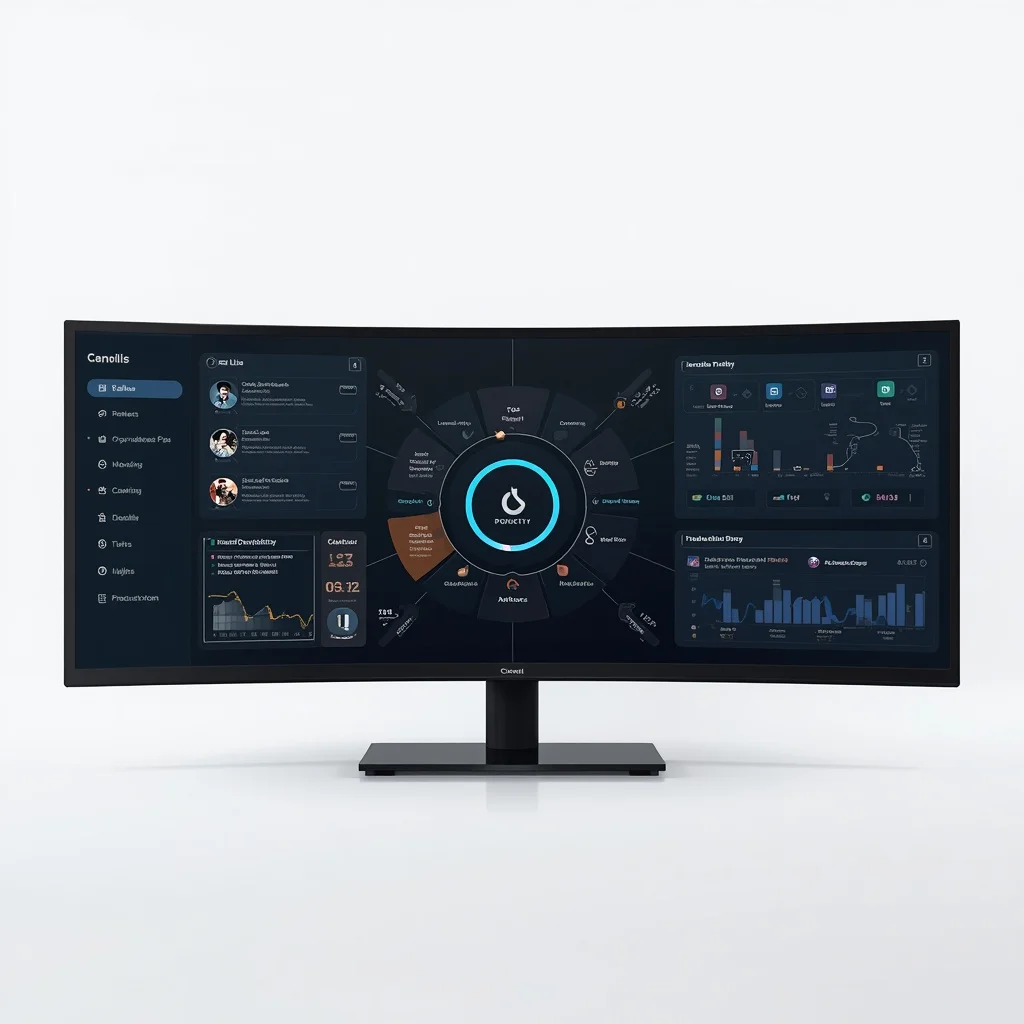
Managing digital work often means handling multiple tasks, applications, deadlines, and processes at the same time. Without a clear system, even simple activities can become difficult to track. This is where structured task management and workflows can make a difference.
QuikConsole fits into the broader concept of digital tools designed to organize tasks, workflows, and online activities from a more centralized environment. By bringing related activities into a structured workflow, users can spend less time searching for information and more time completing meaningful work.
For a broader introduction to the platform and digital console concepts, see our complete guide to QuikConsole.
What Is Task Management?
Task management is the process of creating, organizing, prioritizing, tracking, and completing individual activities.
Tasks can be simple, such as checking an email, or more complex, such as completing a multi-stage business project.
A practical task management system helps answer several basic questions:
- What needs to be done?
- Which task is most important?
- When should it be completed?
- What stage is the task currently in?
- What needs to happen next?
Having these answers in one organized environment can make daily work easier to manage.
How QuikConsole Can Support Task Management
A digital console can provide a centralized environment for organizing tasks and related activities. Instead of keeping information scattered across notes, applications, and separate systems, users can structure their work around defined tasks and workflows.
A task-based approach can help users organize activities according to priority, status, deadline, or project.
For example, a simple workflow could look like:
New Task → In Progress → Review → Completed
This structure gives users a straightforward way to understand where each activity stands.
What Are Digital Workflows?
A workflow is a defined sequence of steps used to complete a particular process.
For example, a content publishing workflow might include:
- Topic research
- Content creation
- Editing
- SEO optimization
- Review
- Publishing
Instead of treating each step as an unrelated activity, a workflow connects them into a complete process.
This can be especially useful when the same process needs to be repeated regularly.
QuikConsole and Workflow Management
Workflow management can help users understand how tasks move from one stage to another.
A centralized digital environment can make workflows easier to follow by providing visibility into active tasks and their current status.
For teams or individuals managing multiple processes, this type of organization can reduce confusion and make it easier to identify unfinished work.
The exact workflow capabilities available through any platform depend on its implementation and features, so users should evaluate the functions that are relevant to their own needs.
How Better Workflows Improve Productivity
Productivity is not simply about doing more work. It also involves reducing unnecessary steps and making important processes easier to repeat.
Well-structured workflows can help by:
- Reducing repetitive manual organization
- Making responsibilities clearer
- Showing the next step in a process
- Making deadlines easier to track
- Reducing forgotten tasks
- Improving visibility into ongoing work
When a process is clearly defined, users do not have to repeatedly decide what to do next.
Managing Tasks More Efficiently
One of the easiest ways to improve task management is to separate urgent work from routine activities.
1. Create Clear Tasks
A task should describe a specific action rather than a vague objective.
For example, instead of writing “SEO,” a more useful task could be “Update the meta description for the homepage.”
Specific tasks are easier to understand and complete.
2. Set Priorities
Not every task has the same importance. Assigning priorities can help users focus on activities that have the greatest immediate impact.
3. Add Deadlines
When a task has a specific deadline, it becomes easier to organize the rest of the workflow around it.
4. Track Progress
Tasks should be reviewed regularly so users know which activities are completed, active, delayed, or waiting for another step.
5. Break Large Projects Into Smaller Tasks
Large projects can become easier to manage when divided into smaller actions.
Instead of one task called “Launch Website,” a workflow could include:
- Register domain
- Configure hosting
- Install CMS
- Create essential pages
- Configure SEO
- Test website
- Publish
Breaking the project down creates a clearer path toward completion.
Workflow Automation and Productivity
Automation can take workflow management a step further.
A workflow automation system can perform certain repetitive actions according to predefined rules. For example, an automated process might move a task to another stage after a specific action is completed.
Automation can be useful for repetitive processes because it reduces the amount of manual work required.
However, automation should be applied selectively. Processes involving sensitive information, financial decisions, or important business actions may still require human review.
QuikConsole for Freelancers
Freelancers frequently switch between projects, clients, deadlines, communication, research, and administrative work.
A structured task and workflow system can help freelancers keep different responsibilities separated.
For example, a freelancer could organize work into project-based workflows:
Client Request → Planning → Production → Review → Delivery
This makes the current status of each project easier to understand.
QuikConsole for Marketers
Marketing work often involves multiple activities running simultaneously.
A marketing workflow might include:
Research → Strategy → Content → Distribution → Measurement
Each stage can contain smaller tasks. Organizing these activities into a defined workflow can help marketers maintain a consistent process.
A centralized digital environment can also make it easier to keep frequently used tools and activities organized.
QuikConsole for Developers
Developers can also benefit from structured workflows.
Software projects often involve:
- Planning
- Coding
- Testing
- Debugging
- Code review
- Deployment
- Maintenance
When these stages are tracked systematically, developers can more easily understand what has been completed and what remains.
A digital console can become one part of this broader development workflow.
Tasks, Dashboards, and Monitoring
Task management works particularly well when combined with dashboard visibility.
A dashboard can provide a quick overview of active tasks, workflow stages, and other relevant information.
For example, users may want to see:
- Tasks due today
- Tasks currently in progress
- Completed tasks
- Delayed activities
- Upcoming deadlines
This is where task management and dashboard management overlap.
Our QuikConsole dashboard guide explains how dashboards can help organize monitoring, tasks, and console management.
How to Build a Simple Productivity Workflow
You do not need a complicated system to create a useful workflow.
Start with these five steps:
Step 1: Identify Repetitive Activities
Look for tasks that happen regularly.
Step 2: Define the Stages
Write down the steps required to complete the process.
Step 3: Assign Tasks
Turn each stage into a clear and actionable task.
Step 4: Monitor Progress
Review which tasks are pending, active, or completed.
Step 5: Improve the Process
After completing the workflow several times, identify unnecessary steps and opportunities for automation.
This approach can gradually improve efficiency without making the system unnecessarily complicated.
Common Task Management Problems
Even organized workflows can become ineffective when certain problems are ignored.
Too Many Tasks
Adding every possible activity to a task list can make prioritization difficult.
Unclear Responsibilities
When it is not clear who should complete a task, work can become delayed.
Missing Deadlines
Tasks without realistic deadlines may continue indefinitely.
Overcomplicated Workflows
A workflow should simplify a process rather than add unnecessary steps.
Lack of Regular Review
A task system needs occasional review to remain useful as priorities change.
Frequently Asked Questions
What is QuikConsole used for?
QuikConsole can be considered within the broader category of digital console and productivity environments where users organize digital activities, tasks, and workflows.
Can QuikConsole help manage tasks?
A digital console environment can support task organization by providing a structured way to manage activities and workflow stages, depending on its available features.
What is workflow automation?
Workflow automation uses predefined rules or systems to perform repetitive steps within a process with less manual intervention.
How can workflows improve productivity?
Clear workflows can reduce unnecessary decision-making, make processes easier to repeat, and provide better visibility into the progress of tasks.
Are workflows useful for freelancers?
Yes. Freelancers often manage several projects simultaneously, and defined workflows can help organize client work, deadlines, production, and delivery.
Final Thoughts
Effective productivity starts with having a clear understanding of what needs to be done and how each task fits into a larger process.
Task management provides structure for individual activities, while workflows connect those activities into repeatable processes. Dashboards can then provide visibility into progress and help users identify what requires attention.
For users exploring QuikConsole, combining tasks, workflows, dashboards, and organized digital tools can provide a practical framework for managing online work more efficiently.
The goal should not be to create the most complicated system. It should be to create a workflow that is clear, manageable, and suited to the user’s actual work.