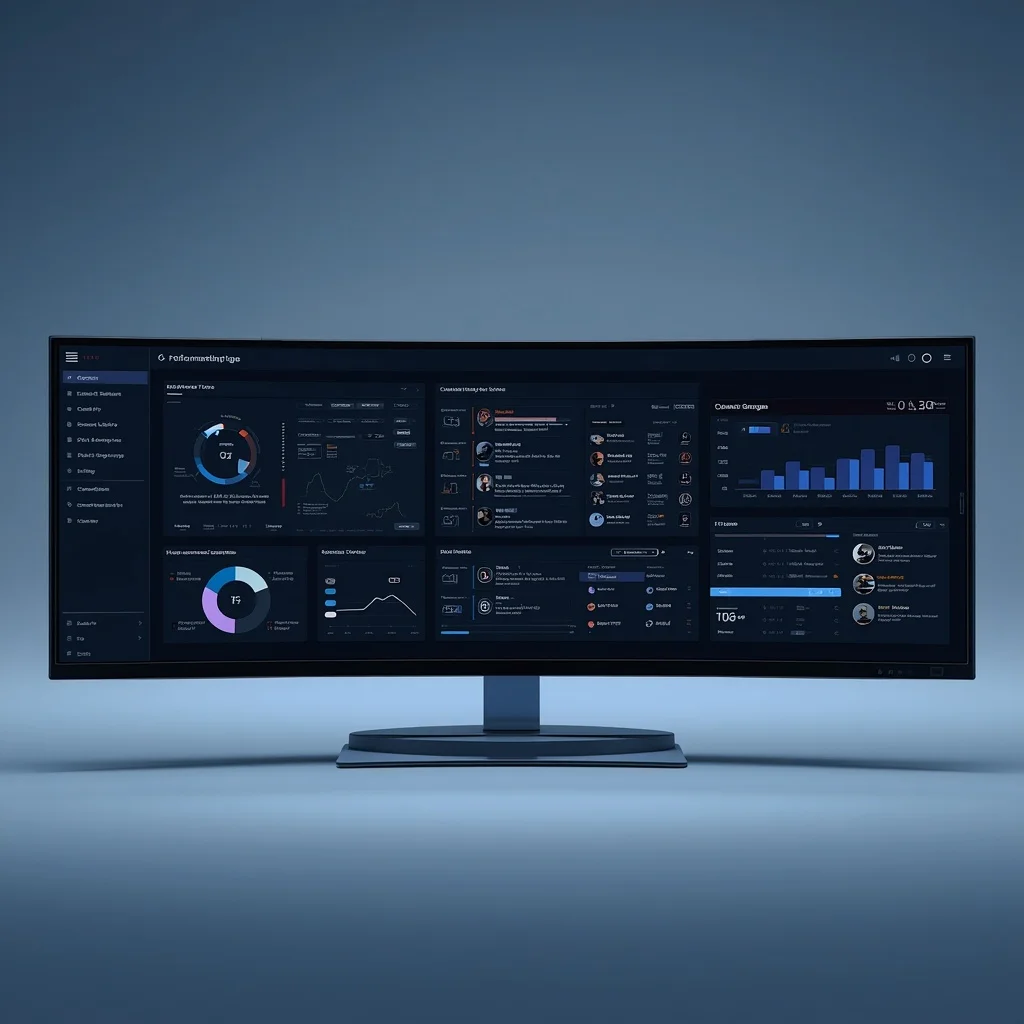
A well-organized dashboard can make digital work easier by bringing important information, tools, and activities into one accessible environment. Instead of moving between multiple pages or applications, users can use a centralized interface to understand what is happening and decide what needs attention.
For users exploring QuikConsole dashboard capabilities, it is useful to understand how dashboards, monitoring, task management, and console management fit together. These functions are important parts of modern digital workflows and can help users maintain better visibility over their online activities.
If you are new to QuikConsole, start with our complete guide to the QuikConsole digital console platform for a broader overview.
What Is a QuikConsole Dashboard?
A dashboard is a centralized interface that presents important information and available controls in an organized format. In a digital console environment, the dashboard can act as the main starting point for accessing different areas of the platform.
The value of a dashboard comes from how effectively it organizes information. A cluttered interface can make digital management more difficult, while a well-structured dashboard can make frequently used functions easier to find.
Depending on the platform and its available functions, a dashboard may include areas related to tasks, applications, monitoring, workflows, system information, or other digital resources.
Why Dashboards Matter in Digital Management
Modern digital workflows can involve many different activities. Users may need to monitor processes, manage tasks, access applications, or review information throughout the day.
Without a central overview, it can become difficult to determine which activities require attention.
A dashboard can help by providing a structured view of important information. Common advantages include:
- Easier access to frequently used tools
- Better organization of digital activities
- Faster visibility into important information
- Simplified task management
- Improved workflow awareness
- More convenient console navigation
The exact benefits depend on the tools and functionality provided by the platform.
Dashboard and Console Management
A dashboard is often closely connected to console management. While the dashboard provides an overview, console management involves organizing and controlling the resources or functions available through the digital environment.
For example, a user may need to review available applications, monitor activities, manage tasks, or access different resources from one location.
A centralized approach can reduce unnecessary navigation and make routine digital management more structured.
Monitoring Through a Digital Dashboard
Monitoring is an important part of many digital environments. Users need visibility into processes, activities, resources, or other information to identify potential problems and make informed decisions.
A monitoring dashboard can make this information easier to understand by presenting relevant data in one place.
Useful monitoring interfaces generally focus on information that requires attention rather than displaying every available data point.
What Can Monitoring Help With?
Depending on the platform, monitoring can support activities such as:
- Checking ongoing processes
- Reviewing system activity
- Identifying unusual changes
- Tracking tasks
- Observing workflow progress
- Reviewing performance information
The purpose is not simply to display information but to make that information useful for decision-making.
Managing Tasks From a Dashboard
Task management becomes easier when users can see important activities without searching through multiple sections.
A dashboard can provide a quick overview of pending work, active tasks, completed activities, or items requiring attention.
For individuals managing several responsibilities, this visibility can help create a more organized workflow.
Organizing Tasks Effectively
A practical task-management approach can include:
- Listing important tasks.
- Identifying priorities.
- Assigning deadlines where necessary.
- Reviewing progress regularly.
- Completing or updating tasks as work changes.
A dashboard can support this process by giving users a central location from which to review relevant activities.
Dashboards and Workflow Management
Workflows describe how a series of tasks or activities move from one stage to another. When workflows become more complicated, having a clear overview becomes increasingly valuable.
A dashboard can provide visibility into workflow progress and help users understand which activities are pending, active, or completed.
For example, a digital workflow might include:
Task creation → Assignment → Progress → Review → Completion
The more clearly each stage is presented, the easier it can be to identify delays or tasks that require attention.
QuikConsole Dashboard for Different Users
A dashboard can be useful for different types of users because digital management needs vary by role.
Freelancers
Freelancers may manage client projects, research, communication, content, and administrative tasks simultaneously. A centralized dashboard can help organize these activities.
Marketers
Marketers often work across multiple campaigns and digital tools. A dashboard can provide a convenient overview of tasks and workflow activities.
Developers
Developers may need to work with software, programming environments, technical resources, and project tasks. A structured console interface can help keep these activities organized.
Gamers
Gaming users may interact with multiple games, applications, services, and devices. A centralized digital environment can make frequently used resources easier to access.
Dashboard Design and User Experience
A dashboard should make information easier to understand, not create another layer of complexity.
Several design principles can improve the user experience.
Keep Important Information Visible
The most important information should be easy to find. Users should not have to navigate through several screens to identify a critical task or status.
Use Clear Organization
Related functions should be grouped logically. This helps users understand where to find specific tools or information.
Avoid Unnecessary Information
Showing too much information can reduce the usefulness of a dashboard. A good interface focuses on information that actually supports the user’s workflow.
Make Navigation Consistent
Consistent menus, controls, and layouts make it easier for users to learn and navigate a platform.
Dashboard Monitoring vs. Manual Checking
Manual checking requires users to repeatedly open different sections or applications to review information. This can become inefficient when the number of systems increases.
A centralized dashboard can reduce this effort by presenting relevant information together.
However, dashboards do not eliminate the need for human review. Users still need to interpret information and take appropriate action when something changes.
Security and Dashboard Access
Security is particularly important for centralized digital environments. If a dashboard provides access to multiple resources, protecting the account becomes essential.
Users should consider basic security practices such as:
- Using strong, unique passwords
- Enabling multi-factor authentication when available
- Keeping devices and software updated
- Avoiding suspicious login pages
- Reviewing account permissions
- Protecting sensitive information
For more information about the security side of digital console environments, a dedicated QuikConsole security guide can provide a deeper discussion once that resource is available.
How to Get More Value From a Digital Dashboard
A dashboard becomes more useful when it reflects the user’s actual workflow.
Start by identifying the activities that require frequent monitoring or management. Then prioritize the information that helps you make decisions or complete tasks.
A simple approach is:
Identify → Organize → Monitor → Act → Review
First, identify important activities. Organize them into logical groups. Monitor progress or changes. Take action when required, and review the workflow regularly to improve it.
Common Dashboard Mistakes to Avoid
Even a feature-rich dashboard can become difficult to use if it is poorly organized.
Common problems include:
Too Many Widgets
Adding every available metric can make the interface difficult to understand.
Poor Prioritization
If urgent information looks the same as low-priority information, users may miss important changes.
Complicated Navigation
Users should be able to reach frequently used functions without unnecessary steps.
Ignoring Security
Convenience should never replace proper account and access protection.
Failing to Review the Dashboard
Digital workflows change over time. A dashboard should be reviewed and adjusted when the user’s priorities change.
Frequently Asked Questions
What is a QuikConsole dashboard?
A QuikConsole dashboard refers to the centralized dashboard environment associated with QuikConsole, where users can organize and access relevant digital functions and information.
What is dashboard monitoring?
Dashboard monitoring involves reviewing important information, activities, or processes through a centralized interface so users can identify changes and take action when necessary.
Can a dashboard help manage tasks?
Yes. A dashboard can provide an organized overview of tasks, priorities, and workflow progress, depending on the platform’s available functionality.
Why is console management important?
Console management helps users organize and control digital resources and activities from a structured environment instead of handling every function separately.
What makes a good digital dashboard?
A good dashboard should be clear, organized, easy to navigate, focused on useful information, and designed around the user’s actual workflow.
Final Thoughts
A dashboard is more than a collection of information panels. When designed properly, it can become the central point from which users understand their digital environment, monitor activities, manage tasks, and navigate important tools.
For anyone exploring QuikConsole dashboard concepts, the key is to focus on organization, visibility, usability, and security. These principles can make digital console management more practical and help users build workflows that are easier to monitor and maintain.
Pingback: QuikConsole Review: Features, Benefits & User Experience