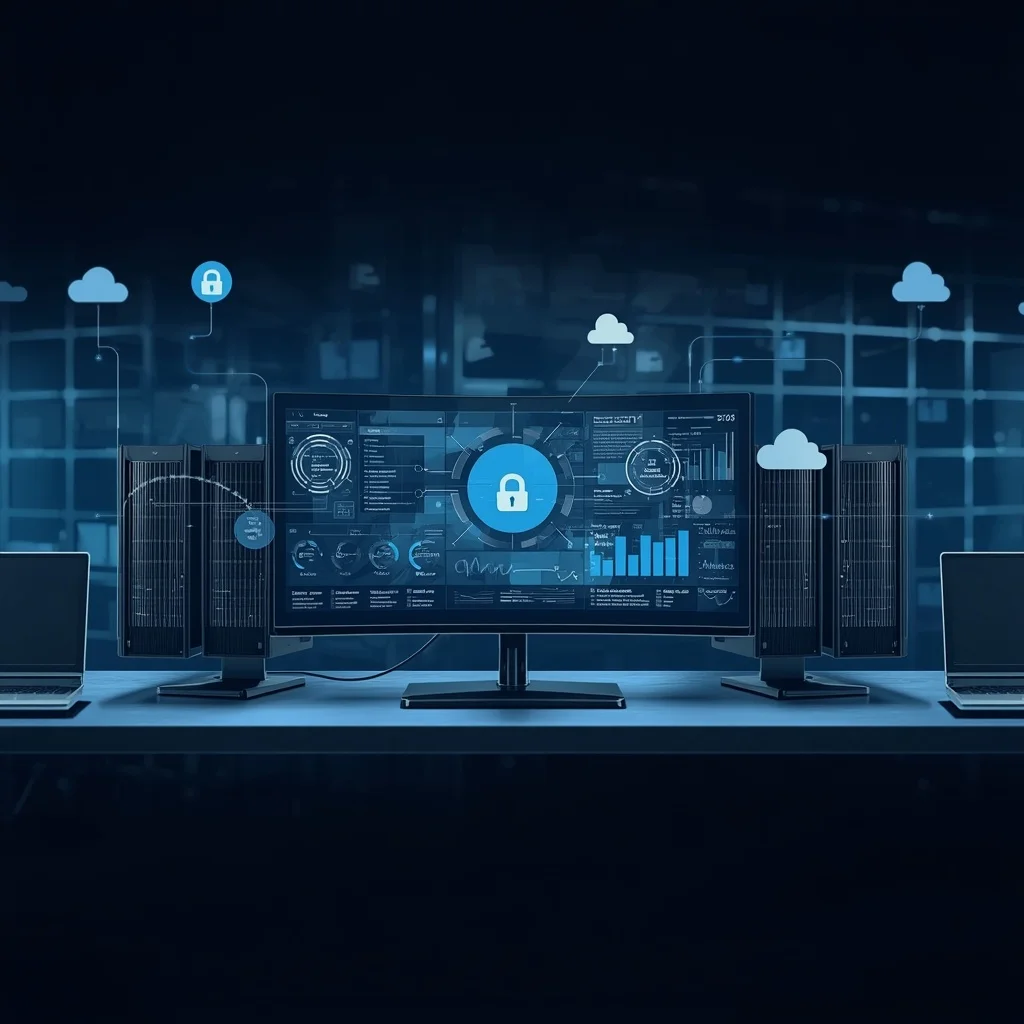
Managing digital systems from different locations has become an important part of modern technology. Businesses, developers, IT professionals, and remote teams often need to access online resources without being physically present in front of a particular computer or server.
This is where remote access and server management become relevant. People searching for remote access quikconsole com are often interested in understanding how a digital console can fit into remote technology workflows, server administration, cloud environments, and online resource management.
This guide explains the concept in simple terms and looks at how QuikConsole can be considered within the broader world of remote access and server management.
What Is Remote Access?
Remote access allows a person to interact with a computer, server, application, or digital resource from another location.
Instead of being physically connected to a system, a user can access it through a network or internet-based connection when the appropriate technology and permissions are available.
Remote access is widely used in:
- Business environments
- Cloud computing
- Software development
- Server administration
- Remote work
- Technical support
- Website management
- IT operations
The exact capabilities of a remote-access system depend on the technology being used.
Understanding Remote Access With QuikConsole
The idea behind a digital console is closely connected with centralized access and management.
When users search for remote access quikconsole com, they may be looking for information about accessing digital resources through a console-style environment.
A centralized interface can make remote activities easier to organize because users can work from a structured environment rather than relying on scattered tools.
For professionals managing several digital resources, this type of organization can be particularly useful.
However, remote access should always be configured according to the actual capabilities and security controls of the platform being used.
Why Remote Access Matters
Traditional computer-based workflows often require users to be physically present at a specific location.
Modern technology has changed this model.
Cloud computing, remote work, distributed teams, and online services allow people to work from different locations. This makes remote access an important part of modern IT infrastructure.
For example, a developer may need to check a server while working from home. An IT professional may need to review a system outside normal office hours. A business may have employees working from several cities or countries.
Remote access makes these scenarios possible when the underlying infrastructure supports them.
What Is Server Management?
Server management involves maintaining and controlling systems that provide computing resources or services to other devices and applications.
Server management can include activities such as:
- Monitoring system performance
- Managing users and permissions
- Installing software
- Updating systems
- Reviewing logs
- Managing storage
- Checking system availability
- Applying security controls
- Troubleshooting technical issues
Server administration can become complicated when an organization manages multiple systems.
A centralized approach can make it easier to understand which resources are being managed and what actions need attention.
QuikConsole and Server Management
The concept of QuikConsole can be considered alongside modern digital console and management workflows.
A console-style interface can provide an organized environment for interacting with digital resources. For users working with servers or online infrastructure, organization is particularly important because technical systems often contain many settings and operational components.
Server management workflows may involve several stages.
For example:
- Identify the relevant server.
- Check its current status.
- Review available resources.
- Perform the required administrative action.
- Monitor the result.
- Document or review the change.
The exact tools required for these activities depend on the server infrastructure and software environment.
Remote Server Management
Remote server management allows administrators to maintain systems without being physically located near the hardware.
This is particularly useful for cloud infrastructure and distributed organizations.
A remote management workflow can help technical teams:
- Check system availability
- Review performance
- Respond to technical problems
- Apply approved changes
- Maintain software
- Monitor resources
Remote management can reduce the need for physical access, but it also increases the importance of strong security practices.
Cloud Computing and Remote Access
Cloud computing has significantly expanded the use of remote access.
Cloud infrastructure allows computing resources, applications, databases, and storage to be accessed through network connections.
Organizations may use cloud environments to support websites, applications, internal systems, data processing, and remote collaboration.
A digital console can serve as part of this broader technology ecosystem by helping users interact with online resources through an organized interface.
You can also explore the broader relationship between digital consoles and cloud technology in the QuikConsole cloud computing guide.
Remote Access for Developers
Developers frequently work with remote systems.
A development project may involve a local computer, cloud environment, testing server, production infrastructure, databases, and other services.
Remote access can allow developers to interact with systems without being physically present at the server location.
Developers should carefully separate development, testing, and production environments to reduce the possibility of unintended changes.
Those interested in the technical side of QuikConsole can also read the QuikConsole guide for developers and programming.
Remote Access for Businesses
Businesses increasingly rely on distributed technology systems.
Employees may work remotely, while servers and applications may be hosted in cloud environments or external data centers.
Remote access can allow authorized employees and administrators to work with these resources from different locations.
Businesses should establish clear access policies so that only appropriate users can reach sensitive systems.
Access should generally be based on job responsibilities rather than providing unrestricted permissions to every employee.
Security Considerations for Remote Access
Security is one of the most important considerations when discussing remote access.
A remotely accessible system can become a target for unauthorized access if it is poorly configured or inadequately protected.
Use Strong Authentication
Accounts with access to important systems should use strong authentication methods where available.
Strong, unique passwords are a basic requirement, while multi-factor authentication can provide an additional layer of protection when supported.
Limit User Permissions
Users should receive only the access they actually need.
This principle is commonly referred to as least privilege.
Limiting permissions can reduce the potential impact of a compromised account or accidental action.
Keep Systems Updated
Operating systems, server software, applications, and security components should be maintained with appropriate updates.
Outdated software can expose systems to known vulnerabilities.
Monitor Access
Organizations should monitor relevant login activity and system events when appropriate.
Unexpected access attempts can sometimes indicate a security problem that requires investigation.
Protect Credentials
Administrative credentials should be treated as sensitive information.
They should not be shared casually or stored in insecure locations.
For a broader discussion of security practices, see the QuikConsole security guide.
Remote Access and Productivity
Remote access can also affect productivity.
Technical teams do not always need to wait until they are physically present at a particular location to perform an approved administrative task.
For distributed organizations, this can make support and maintenance more flexible.
However, remote access should not become an excuse for uncontrolled changes.
A structured process is important. Teams should document important changes, follow approval procedures where necessary, and maintain appropriate backups.
Managing Multiple Servers
Managing one server is different from managing an environment containing multiple servers.
As infrastructure grows, administrators may need to keep track of:
- Server names
- Operating systems
- Applications
- Network configurations
- Storage
- Resource usage
- User permissions
- Security settings
- Maintenance schedules
A centralized management approach can make this information easier to organize.
The objective is not simply to put everything into one interface. The goal is to create a reliable system for understanding and managing infrastructure.
Remote Access for IT Teams
IT teams often provide support across multiple locations.
A remote-access workflow can allow authorized technicians to investigate problems, review systems, and perform maintenance without traveling to the physical location of the equipment.
This can be particularly valuable for organizations with distributed offices.
At the same time, IT teams should maintain clear records of administrative actions and establish policies governing remote access.
Common Remote Access Challenges
Remote access is useful, but it can also create technical and security challenges.
Connectivity Problems
A poor network connection can interrupt remote sessions or make systems difficult to manage.
Permission Issues
Incorrect permissions can prevent authorized users from accessing required resources.
Security Risks
Weak authentication or excessive permissions can increase security exposure.
Performance Problems
Remote sessions can be affected by server resources, network latency, or system load.
Configuration Errors
Incorrect server settings can cause unexpected behavior or service interruptions.
A structured troubleshooting process can help teams identify the source of these problems.
Best Practices for Remote Server Management
Users managing remote systems should establish consistent practices.
Plan Before Making Changes
Understand what needs to be changed before performing administrative actions.
Maintain Backups
Important data and configurations should be backed up according to the organization’s requirements.
Use Separate Accounts
Administrative accounts should be separated from ordinary accounts where appropriate.
Record Important Changes
Documentation makes it easier to understand what changed when troubleshooting future problems.
Review Access Regularly
User permissions should be reviewed periodically, particularly when employees change roles or leave an organization.
Monitor System Health
Performance and availability monitoring can help identify problems before they become larger incidents.
How QuikConsole Fits Into a Broader Digital Workflow
Remote access is only one part of modern digital management.
A complete workflow may involve dashboards, task management, automation, cloud resources, security controls, and technical tools.
This is why it can be useful to view QuikConsole as part of a broader digital-console concept rather than considering remote access in isolation.
For example, a technical team may use one process to identify a problem, another to assign the task, another to access the relevant system, and another to document the result.
Connecting these activities logically can make the overall workflow easier to manage.
Frequently Asked Questions
What does remote access mean?
Remote access allows an authorized user to interact with a computer, server, application, or digital resource from another location through an appropriate network connection.
What is server management?
Server management involves maintaining, monitoring, configuring, updating, securing, and troubleshooting servers and the services they provide.
Why is remote server management useful?
It allows authorized administrators to manage systems without being physically present at the server’s location.
Is remote access secure?
Remote access can be secure when properly configured, but security depends on authentication, permissions, software updates, network controls, monitoring, and other protective measures.
Can developers use remote access?
Yes. Developers commonly interact with remote development, testing, cloud, and server environments as part of software projects.
Can businesses use remote server management?
Businesses can use remote server management to maintain distributed infrastructure and support employees or systems across different locations.
What is least-privilege access?
Least privilege means giving users only the permissions required for their responsibilities rather than unrestricted access.
Does cloud computing support remote access?
Cloud computing commonly enables remote access to applications, storage, computing resources, and other online services through network connections.
What should users consider before enabling remote access?
Users should consider authentication, permissions, software updates, monitoring, network security, backups, and access policies before enabling remote management.
Final Thoughts
Remote access has become an important part of modern technology because businesses, developers, and individuals increasingly work with systems that are not physically located nearby.
When exploring remote access quikconsole com, it is useful to understand both sides of the topic: the convenience of centralized digital management and the responsibility of protecting remotely accessible systems.
QuikConsole can be considered within the wider ecosystem of digital consoles, cloud technology, workflows, and online management. The most effective approach is to combine organized workflows with appropriate access controls, security practices, monitoring, and regular maintenance.
Remote access should ultimately make digital management more flexible without sacrificing control or security.
Pingback: QuikConsole Security Guide: Passwords & Cybersecurity